The 2026 Data Center Energy Crisis: Why Tech Giants Are Investing in Small Modular Nuclear Reactors
The 2026 Data Center Energy Crisis: Why Tech Giants Are Investing in Small Modular Nuclear Reactors
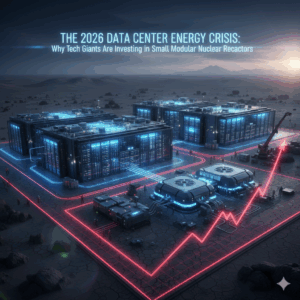
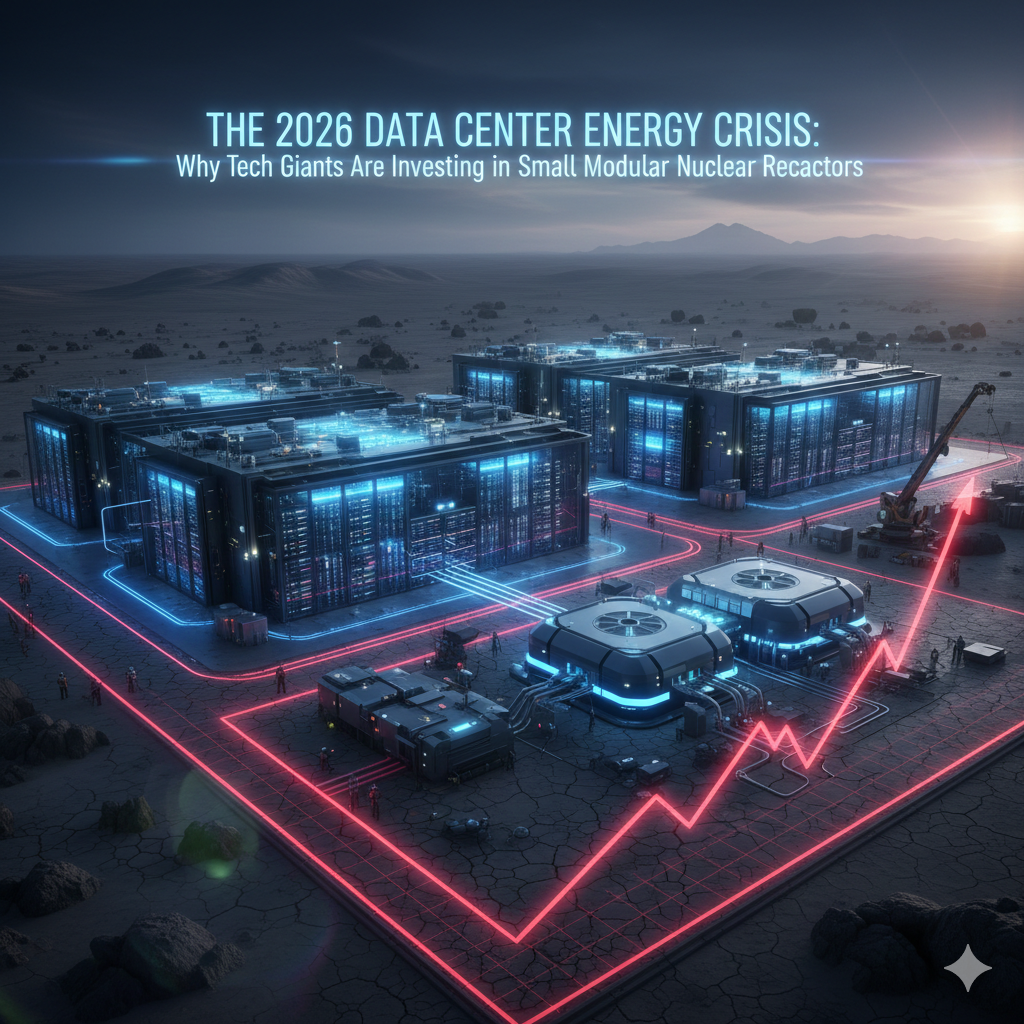
Tech corporations are being forced to reconsider how they power vast server farms that are the foundation of cloud computing, artificial intelligence, and digital services as a result of the data center energy crisis that occurred in 2026. Traditional power sources are becoming more unsustainable as a result of the growing demand for energy, the increases in the cost of electricity, and the laws connected to climate change. The use of small modular nuclear reactors (SMRs) as a dependable, low-carbon option that is capable of supplying continuous high-density electricity is becoming more popular among businesses as a means of addressing these difficulties. Scalability, flexibility, and a decreased effect on the environment are all benefits that small modular reactors (SMRs) provide in comparison to traditional nuclear or fossil fuel facilities. Companies hope that by incorporating SMRs into the infrastructure of their data centers, they would be able to maintain continuous operations while simultaneously reducing their carbon footprint and the volatility of energy prices. Because of this transformation, there is an immediate need for power solutions that are both durable and sustainable in order to support artificial intelligence workloads, high-speed internet, and global digital services. A critical step toward achieving energy independence, operational security, and long-term sustainability is represented by the introduction of small modular reactors (SMRs). The world’s largest IT companies see these investments as a means to align themselves with global environmental objectives while also future-proofing their core infrastructure.
A Better Understanding of the Energy Challenge Facing Data Centers
Data centers in the modern era require vast quantities of power, with high-density computer clusters driving demand at an unprecedented level. Continuous operation is required for artificial intelligence training, cloud storage, and real-time processing, which often requires power levels comparable to those of small towns. Electricity from traditional grids has difficulty meeting these demands in a sustainable manner, and increased dependence on fossil fuels contributes to an increase in emissions. Due to the fact that renewable sources of energy such as solar and wind provide energy on an intermittent basis, they are not adequate to serve as the only supply for essential infrastructure. It is not possible to narrow the gap just via advances in energy efficiency; thus, other power sources that are dependable are required. SMRs provide a solution that strikes a compromise between ongoing production, scalability, and the reduction of carbon emissions. In order to keep digital operations competitive, it is now just as important to address energy limits as it is to enhance computer capability.
The Benefits That Small Modular Reactors Can
Small modular reactors (SMRs) are tiny nuclear reactors that are meant to produce power with sustained high density and better safety characteristics. The modular nature of these systems enables progressive deployment, which permits energy production to be matched to the development of demand. In contrast to conventional nuclear power plants, small modular reactors (SMRs) may be built more quickly and situated in closer proximity to data centers, therefore minimizing transmission losses. Because safety systems are fundamentally passive, the possibility of radiation emission or overheating is significantly reduced or eliminated. Small modular reactors (SMRs) are consistent with long-term sustainability objectives and create a minimum amount of trash in relation to the amount of energy they produce. These reactors provide predictable energy rates, resilience against grid disruptions, and compliance with upcoming carbon restrictions, all of which are beneficial to business organizations in the technology sector. The combination of their dependability and environmental efficiency makes them an appealing solution for the purpose of providing power to essential digital infrastructure.
Strategies for Deployment Employed by Tech Giants
Several different deployment options for SMRs are now being investigated by leading technological firms. Some individuals want to incorporate reactors directly on-site at big data centers, which will reduce their reliance on electricity grids located outside of the facility. There are also others that are investing in regional SMR infrastructure in order to provide clusters of centers with transmission lines that are specialized to them. The regulatory approvals and technical implementation processes are made easier by the formation of partnerships with nuclear technology companies and government organizations. Additionally, businesses are starting pilot projects to evaluate the integration of their cooling and electrical systems with those that are already in place. Deployment techniques achieve a balance between scalability, regulatory compliance, and operational dependability respectively. This strategic approach guarantees that SMRs will give solutions for energy-intensive computing tasks that are both immediate and long-term in nature.
Implications for the Resilience of Operations
An increase in operational resilience may be achieved by incorporating SMRs into the infrastructure of data centers. Continuous, high-density power transmission lessens the likelihood of interruptions in service during times of heavy demand, severe weather, or grid breakdowns. Even when there are power outages in the area, centers are able to keep their full capacity because to redundant energy channels. Uninterrupted operation is essential for workloads that heavily rely on artificial intelligence (AI), since interruptions may lead to the loss of data, a decline in model performance, and disruptions in service. These needs are supported by SMRs, which provide a reliable and predictable power supply that enables businesses to maintain their service quality and uptime commitments. In addition, increased resilience reduces the risks that are connected with fluctuations in energy prices and changes in regulatory policies.
Some Considerations Regarding the Environment and Regulations
Increasing environmental and regulatory requirements to cut carbon emissions are aligned with the use of small modular reactors (SMRs). The operation of nuclear power plants results in the emission of almost no greenhouse emissions, making them a potential solution for the decarbonization of energy-intensive computers. It is necessary for technology businesses to overcome the complicated rules that pertain to nuclear power, which include safety approvals, waste management processes, and site licensing. In order to achieve compliance, it is necessary to work together with the relevant authorities and adhere to severe monitoring criteria. When compared to big conventional facilities, small modular reactors (SMRs) have a footprint that is more controllable, resulting in less land utilization and environmental disturbance. While simultaneously addressing the ever-evolving demands of the government regarding energy efficiency and environmental stewardship, the technology aids in the achievement of company sustainability objectives.
Implications for the Economy for Technology Companies
In spite of the fact that they need a substantial initial investment, SMRs provide economic advantages over the long run. Companies are protected from volatility in grid prices and escalating fuel bills when they have energy costs that are predictable. Overall productivity is increased as a result of operational efficiencies, which are achieved via less downtime and steady power supply. In the long run, small modular reactors have the potential to lessen reliance on expensive renewable backup systems and grid infrastructure. When the great value of continued operations for artificial intelligence, cloud computing, and digital services is taken into consideration, the economic justification becomes stronger. Due to the fact that strategic investments in SMRs may thus deliver both financial and operational benefits, it is possible to guarantee that energy-intensive digital services will continue to be feasible and lucrative.
Obstacles Regarding the Implementation
Despite the fact that they have many benefits, SMRs offer a number of logistical and technological problems. In order to get regulatory clearance, which may be a time-consuming procedure, safety validation and environmental impact evaluations are often required. Integration with preexisting data center systems requires careful engineering, which includes design for power distribution, cooling, and redundancy. There is also a correlation between public perception and adoption of nuclear technology and deployment tactics used. For the purpose of ensuring that SMR installations are in compliance with demanding safety and operational requirements, businesses need to strike a balance between innovation and risk management. In order to effectively negotiate these complexity, it is vital to have effective project management and to collaborate with nuclear specialist professionals.
Long-Term Prospects for the Energy Supply of Data Centers
Investing in small modular reactors (SMRs) is an indication that the technology sector is shifting its approach to energy sustainability. Traditional power sources are unlikely to be able to dependably keep up with the growing demands of digital services and artificial intelligence. Small modular reactors (SMRs) provide an option that is scalable, robust, and low in carbon emissions, to fulfill both the present and future energy needs. In the next ten years, the widespread use of modular nuclear technology has the potential to reimagine the infrastructure of data centers all over the world. The approach emphasizes the significance of integrating technology innovation with energy prescience in order to achieve optimal results. By adopting small modular reactors (SMRs), technology businesses are not only solving the current energy issues, but they are also laying the groundwork for digital operations that are both sustainable and provide great performance long into the future.