How Digital News Apps Personalize Content for Readers
How Digital News Apps Personalize Content for Readers
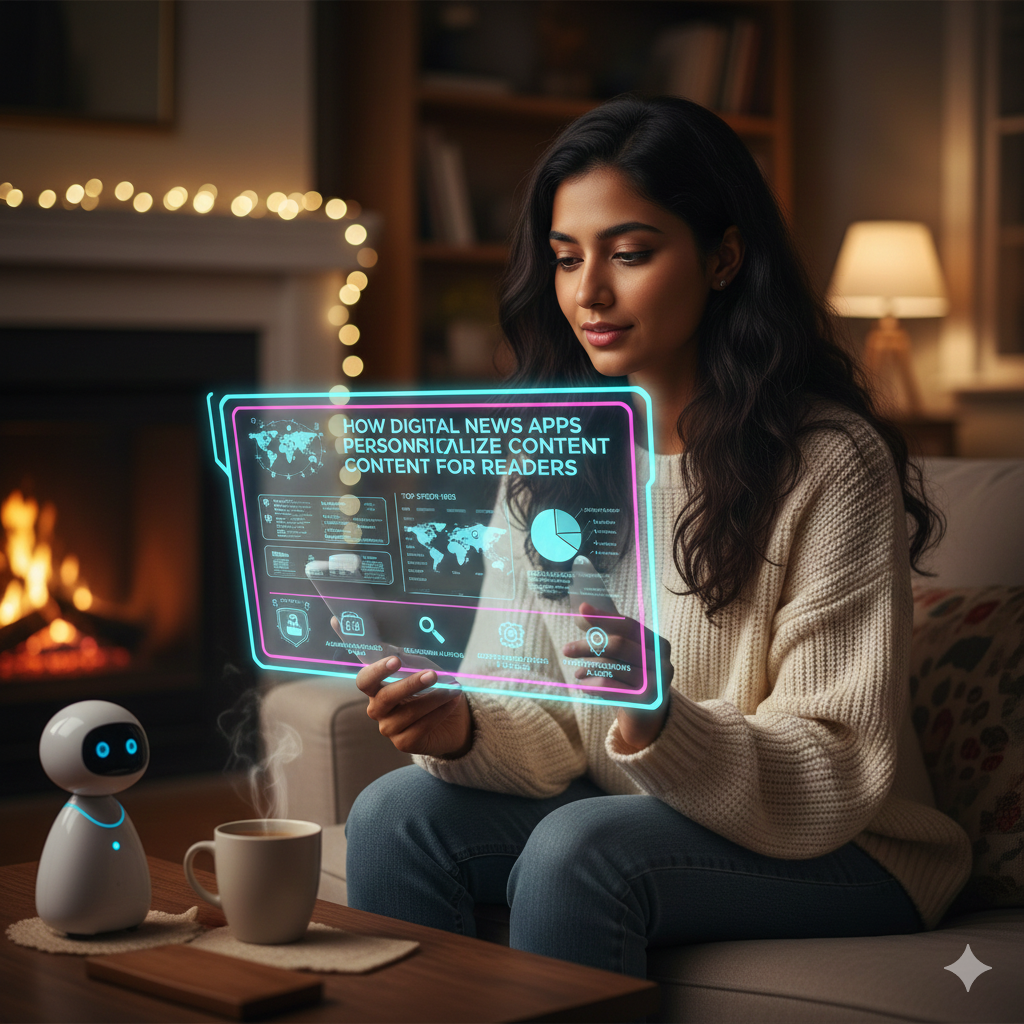
Through the provision of individualized content experiences, digital news applications have fundamentally altered the manner in which audiences take in sources of information. By using algorithms and data collected from users, these applications personalize news items to cater to the specific interests, reading habits, and preferences of each user. By displaying relevant articles, videos, and multimedia in a simplified way, personalization strengthens engagement and increases user participation. Users get advantages from customized feeds that lessen the amount of information they are exposed to and prioritize the subjects that are most important to them. This approach illustrates the transition away from a model that is universally applicable and toward journalism that is focused on the audience in the digital age.
The gathering of data and the profiling of users
The first step in the process of personalization is the collecting of user data. A user’s reading history, clicks, the amount of time spent on articles, location, and interaction patterns are all tracked by news applications. With the help of this information, algorithms are able to generate comprehensive user profiles. It is necessary to have an understanding of behavior and preferences in order to present material that is relevant. With the passage of time, the accuracy of suggestions is improved by the continuous collecting of data. The application is able to dynamically adjust to the user’s changing interests thanks to user profiling.
Aspects of Recommendation Mechanisms
Through the analysis of user data, recommendation algorithms are able to predict which articles or subjects are most likely to pique the interest of a reader. Patterns in behavior may be identified by machine learning models, which can also predict preferences about content. These algorithms maintain a balance between current news and tailored recommendations. Filtering methods that are regularly employed include content-based filtering, collaborative filtering, and hybrid models. Accurate suggestions lengthen the duration of sessions and boost customer loyalty. Efficient algorithms provide the impression that the news experience is personalized and easy to understand.
A Dynamic Stream of News
Apps that provide personalized news provide users with dynamic feeds that are regularly updated depending on the user’s actions. The display of subsequent articles is modified by the app in response to the reader’s engagement with the information. Stories that correspond to the reader’s previous interests are given priority, while stuff that is not relevant is limited. The browsing experience is made more enjoyable by the provision of dynamic feeds. Because of this versatility, consumers are encouraged to return on a regular basis. Additionally, personalized feeds facilitate the identification of new subjects within their own areas of interest.
Alerts and Notifications are Given
The creation of personalized alerts is an essential component of news applications. Alerts are sent to users on breaking news, articles that are trending, or updates relevant to the subjects that they are most interested in. You are able to customize the frequency and kind of notifications via the settings. The delivery of timely and relevant information is what makes targeted alerts so effective in increasing engagement. In order to keep readers engaged to the news without overwhelming them, notifications are used. They are a strategic instrument for retaining customers and ensuring that they are satisfied.
Personalization of Multimedia Content
Not only can news applications modify textual information, but they also may customize audiovisual components. The user’s interests are taken into consideration when creating suggestions for videos, podcasts, and interactive graphics. The use of personalization guarantees that various content formats are tailored to the tastes of each user. Immersion and understanding are both improved by the use of multimedia. By providing material in the forms that users prefer, applications are able to provide a more satisfying and pleasurable experience for their users. Personalization with multimedia is a useful supplement to the more conventional article-based suggestions.
Concerns Regarding Privacy and Ethical Practices
There are privacy problems raised by customization, despite the fact that it enhances the user experience. Personal information must be handled in a responsible and open manner by applications. Users need to have oversight over the data that is gathered and the manner in which it is used. Clear privacy rules and processes for obtaining permission are very necessary. Trust is fostered via the ethical use of customization algorithms. Keeping both security and openness intact is very necessary in order to maintain long-term connections with the audience.
Increasing Participation and Keeping Customers
Increased user engagement and loyalty to a platform are both outcomes of personalized content. Articles and updates that are pertinent to the topic promote longer sessions and more frequent visits. Personalized feeds make it easier for readers to feel understood and respected. As applications continue to enhance their suggestions, retention numbers continue to increase. When audiences are engaged, they are more inclined to subscribe, share material, and participate in community elements available to them. Individualization is a potent instrument that may be used to maintain engaged user populations.
What the Future Holds for Personalized News
Personalization of digital news will need increasingly advanced artificial intelligence, adaptability in real time, and an awareness of the context in which it is being delivered. Additional ways to improve the transmission of tailored news might include the use of voice assistants, wearable technologies, and immersive media. The use of advanced analytics will make it possible to fine-tune suggestions even more. Providing experiences that are extremely relevant, current, and engaging will be the objective, and this will be accomplished without compromising the range of material. With the advent of personalized news applications, the next phase of digital journalism that is focused on the audience is about to begin.